
Sapa isn't just about cloud-hunting, rice terraces and the Fansipan cable car. The mountain town is also one of the most exciting food destinations in Northern Vietnam. This Sapa food guide covers the local dishes worth trying, what they cost, where to eat, and how to avoid tourist traps, so you can eat like a local from your first day.
Sapa Food Culture: What Makes It Different?
Sapa cuisine reflects the traditions of ethnic minority groups including the H'mong, Red Dao, Tay and Nung. Each dish carries the flavors of the highlands.
The cool climate and clean mountain spring water give local ingredients a quality that's hard to find elsewhere in Vietnam. Many dishes are seasoned with wild mountain spices such as mac khen (a citrusy, slightly numbing pepper), doi seeds and black cardamom. If you like bold, smoky, aromatic food, you're in the right place.
Five Highland Dishes to Start With
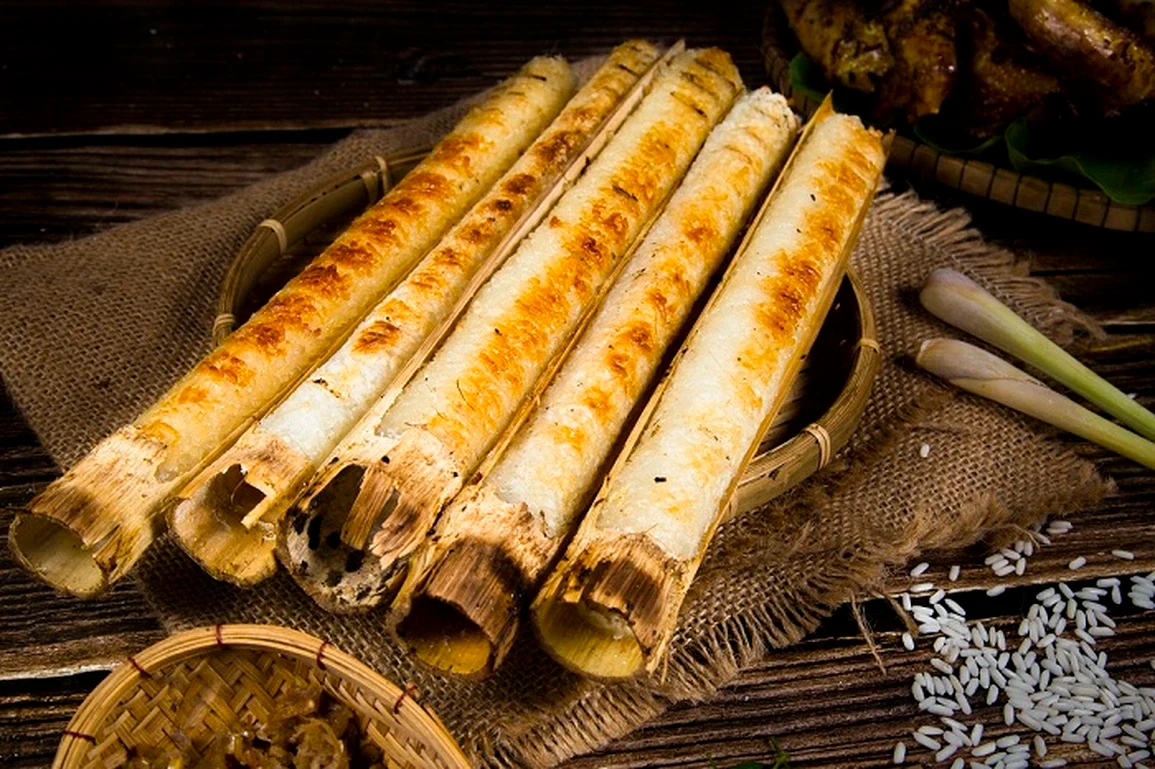
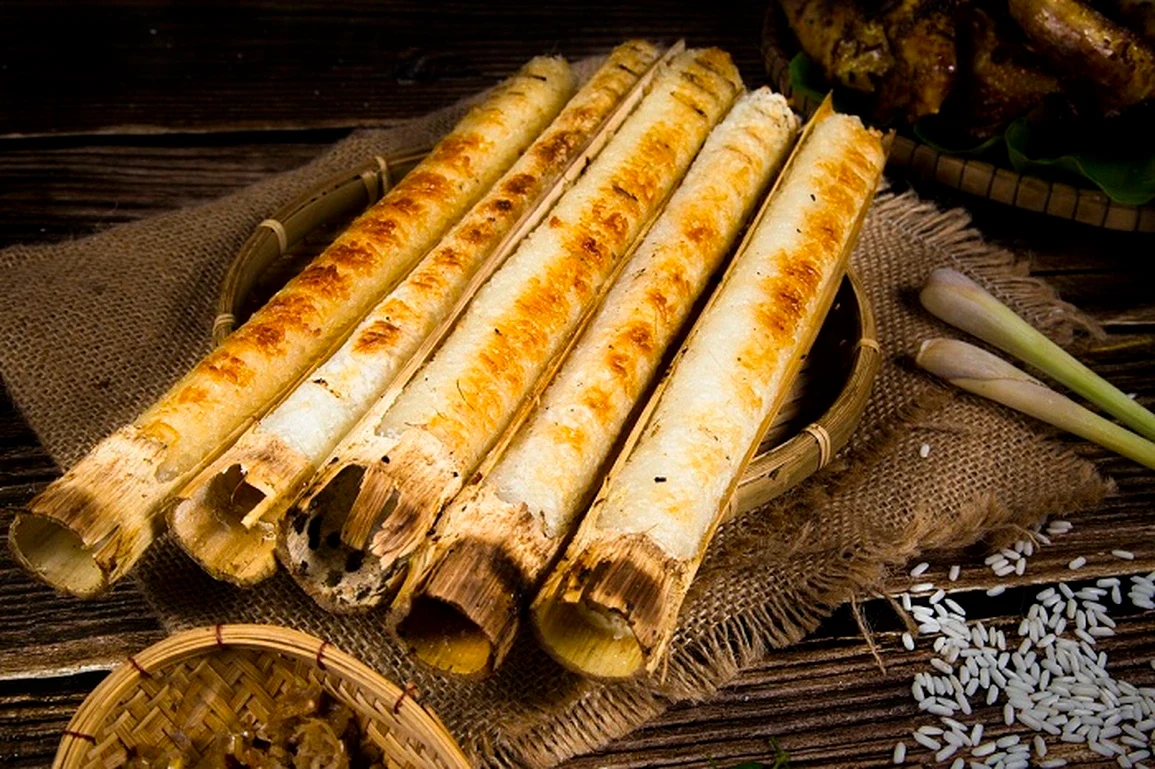
1. Com Lam: Bamboo-Grilled Sticky Rice
Com lam is a rustic highland snack, traditionally made for long days in the fields. Sticky rice is packed into bamboo tubes with a pinch of salt, sealed with banana leaf and roasted over glowing charcoal.
Peel back the bamboo and you'll find soft, chewy rice with a lovely smoky bamboo fragrance. It's often dipped in sesame salt or eaten with grilled chicken and green pepper. Eat it hot for the best flavor.
Ask for the current price and portion size before ordering. Prices in markets and restaurants vary by season, weight and venue.
2. Seven-Color Sticky Rice (Xoi Bay Mau)
This is a festive dish of the Nung people, especially in Muong Khuong. The seven vivid colors come entirely from natural forest leaves and plants, and the colors are traditionally associated with good luck and peace. The rice is soft, fragrant and lightly herbal.
Ask for the current price and portion size before ordering. Prices in markets and restaurants vary by season, weight and venue.
3. Thang Co: The Adventurous Highland Stew
Thang co is a signature H'mong dish: a hearty stew made from horse meat, bones and offal. It sounds intimidating, but many travelers are surprised by how rich and flavorful it is.
A traditional pot is simmered with around 12 herbs and spices, including cardamom, cinnamon, star anise and ginger. You'll find it at Sapa's weekend markets and in local specialty restaurants. Many places now adjust the recipe for international palates, so it's a good way to try authentic H'mong cuisine. Served hot with wild greens, it's a memorable meal in the cool mountain air.
Tip: Thang co is made with horse meat. If that's not for you, skip it. There are plenty of other dishes below.
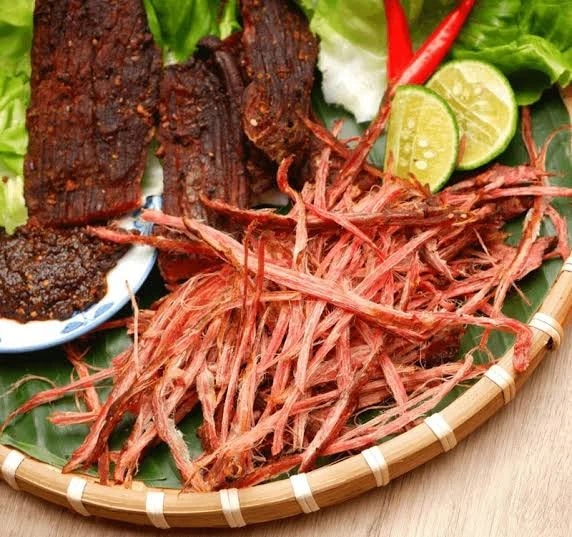
4. Smoked Buffalo Meat (Thit Trau Gac Bep)
A proud specialty of the Black Thai people in Northwest Vietnam, this is buffalo meat marinated with mac khen, salt and chili, then hung above the kitchen fire to dry and smoke.
Expect a chewy texture, a smoky aroma and a tingling spice. Locals enjoy it as a snack with drinks, and it's also a popular gift to take home.
Ask for the current price and portion size before ordering. Prices in markets and restaurants vary by season, weight and venue.
5. Sapa Salmon & Sturgeon Hotpot
Sapa is known for farming salmon and sturgeon in cold, clear mountain water. The fish is firm, fresh and full of flavor, and the hotpot broth is light, so the fish stays the star. It comes with fresh local vegetables, and it's a great way to warm up on a chilly evening.
Ask for the current price and portion size before ordering. Prices in markets and restaurants vary by season, weight and venue.
What to Eat in Sapa in Winter: Warming Comfort Foods
Sapa gets cold, especially from late autumn to early spring. These dishes are ideal after a day of trekking.
1. Local "Armpit" Pork (Thit Lon Cap Nach)
Cap nach pigs are a small native breed raised free-range on the hills. The meat is lean, firm and naturally sweet, quite different from farmed pork. It's usually grilled whole or steamed to preserve its fresh flavor. Order it with boiled chayote (su su) greens for a balanced meal.
Ask for the current price and portion size before ordering. Prices in markets and restaurants vary by season, weight and venue.
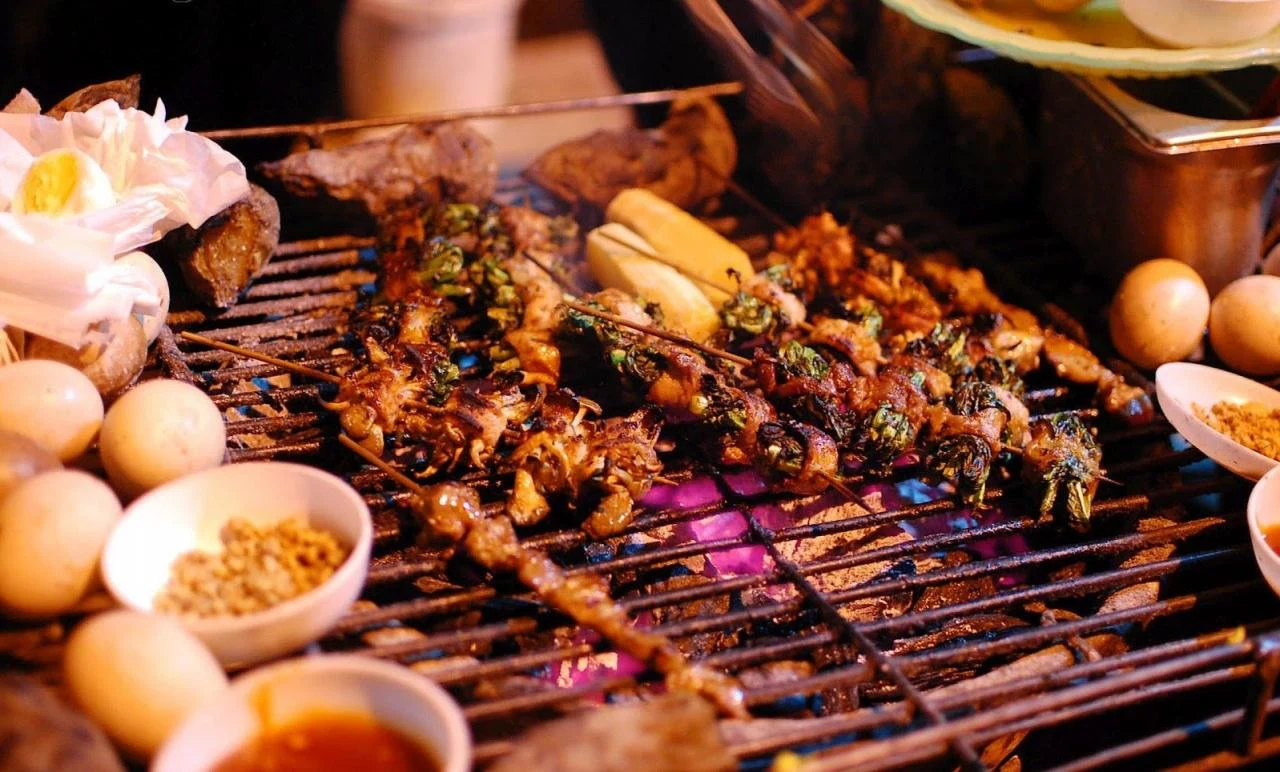
2. Sapa Grilled Food (Street & Night Market)
When the sun goes down, grilled food takes over Sapa's streets. You'll find skewers of meat, vegetables and eggs, plus grilled sticky rice cakes and sweet glutinous rice dumplings in ginger syrup. Standing around a charcoal grill in the cold, with a hot skewer in hand, is one of the best ways to experience Sapa's local life.
Ask for the current price and portion size before ordering. Prices in markets and restaurants vary by season, weight and venue.
Restaurant hours and prices can change, so check current details on Google Maps before you go.
How to Avoid Overcharging When Eating in Sapa
Choosing a restaurant
Pick places with prices clearly listed on the menu.
Be cautious of restaurants that aggressively pull in customers, especially near the Stone Church and other crowded sights.
Check recent reviews on Google Maps or travel groups before you go in.
- Ask for the price before ordering, especially for dishes charged by weight (fish, meat). If it seems high, you can politely decline.
Buying food souvenirs
Buy smoked meat, dried mushrooms and similar products from reputable or branded shops. Very cheap unlabeled products can be poor quality.
Check the packaging, expiry date and origin before paying, and taste first if you can.
Bargain politely. Local markets are often cheaper than upscale souvenir shops.
Sapa Food FAQ
Is it hard to find vegetarian food in Sapa?
No. Many restaurants now include vegetarian dishes on their menus, and there are dedicated vegetarian restaurants using fresh local vegetables.
Should I eat at the night market or a proper restaurant?
It depends on your style. The night market is lively and great for casual bites. Restaurants offer a quieter, more comfortable setting for a full meal.
Is Sapa street food safe to eat?
Generally yes, if you choose busy stalls where food is freshly cooked and served hot. If you have a sensitive stomach, stick with bottled water and freshly grilled items.
How much should I budget for food in Sapa?
Street snacks cost $1–2 USD, while a sit-down meal or hotpot runs roughly $6–23 USD depending on the dish and group size (based on the prices above).
Plan Your Onward Trip
After the highlands, explore our Sapa to Cat Ba travel guide and the Sapa / Cao Bang to Quiet Bay cruise package. Check the itinerary and connection dates with our team.
Travel details can change. Confirm current access, schedules and third-party charges locally before making a special journey.



Comments
No comments yet — ask a question or share a tip below.