
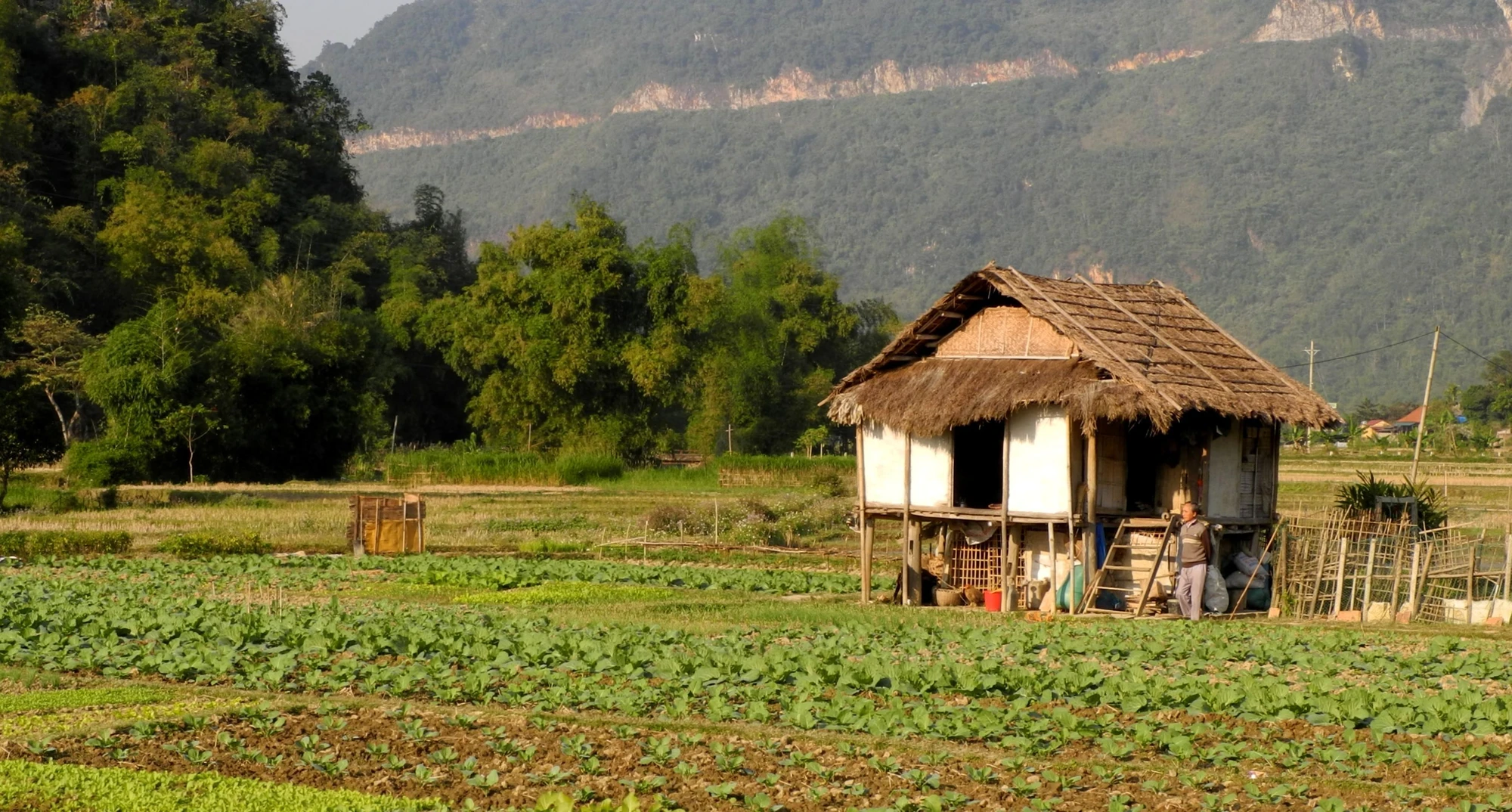
Most travelers see Northern Vietnam through a car window: a viewpoint, a photo stop, a quick lunch, and back on the road. But the region’s real character lives in its villages, in the smoke rising from kitchen fires, the sound of stone mortars grinding maize at dawn, and the families who have farmed the same slopes for generations. Community-based tourism lets you step out of the car and into that world, and it is quickly becoming one of the most meaningful ways to travel in Vietnam.
What Is Community-Based Tourism?
Community-based tourism, often shortened to CBT, is a simple idea. Instead of staying in a hotel owned by outside investors, you stay with local families, eat what they cook, and pay them directly. The income stays in the village, and the culture that makes the place special is something residents have a reason to protect.
The model is growing fast. According to Vietnam’s national tourism authority, by 2020 around 300 villages and hamlets took part in community-based tourism, with more than 5,000 homestays in operation. Several northern villages have also won international recognition. Thai Hai in Thai Nguyen was honored as a Best Tourism Village by UN Tourism in 2022, and Lo Lo Chai was named Best Tourism Village in 2025.
Where to Go: Villages Worth the Detour
Lo Lo Chai sits among limestone peaks and is home to the Black Lo Lo, one of Vietnam’s smallest and most distinctive ethnic communities. Its earthen houses and mountain setting make it a strong choice for travelers who care about culture as much as scenery.
MoriCher / CC BY-SA 4.0 · Source · Adapted
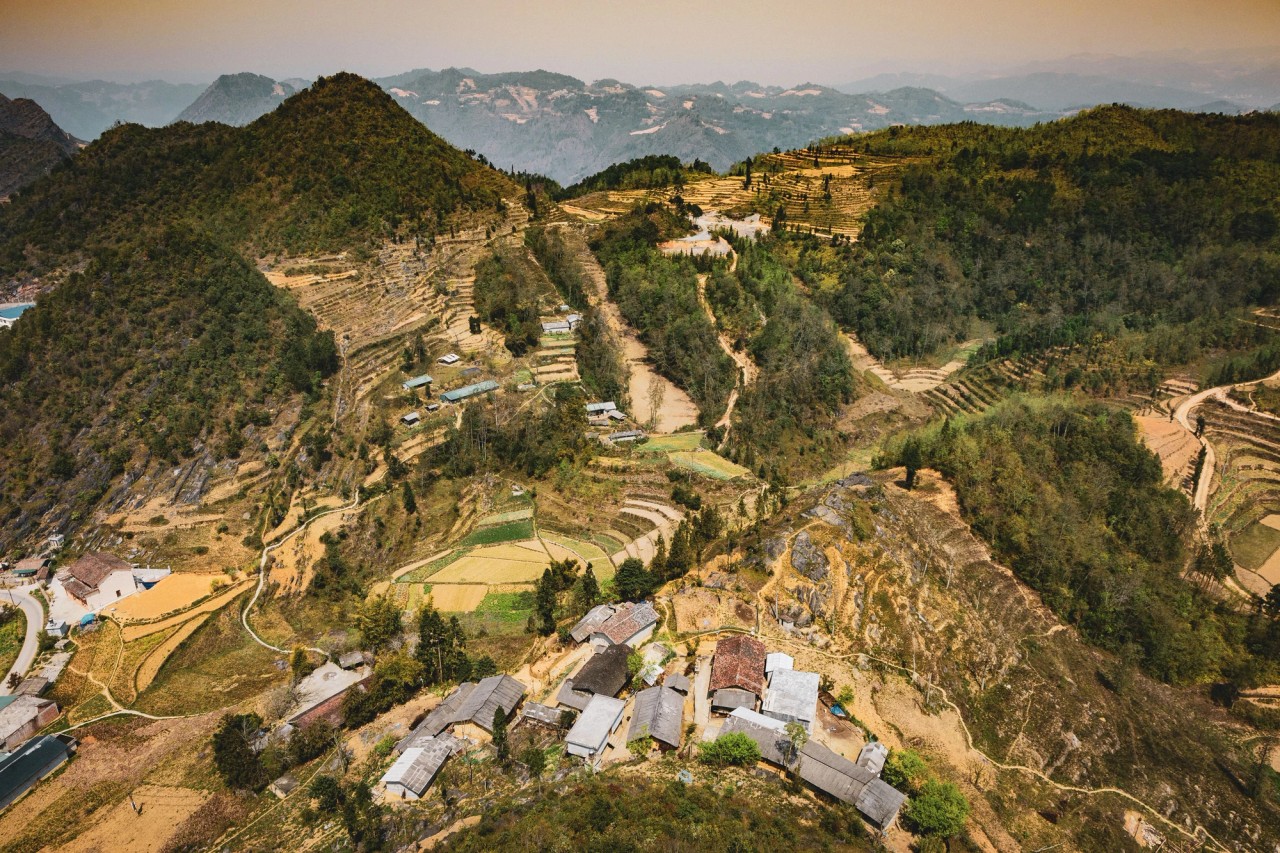
Nam Dam, about 45 kilometers from Ha Giang City in Quan Ba district, was one of the first villages in the region to adopt community-based tourism, and more than 40 households now host guests. It is a rewarding alternative if you want to experience Ha Giang beyond the motorbike loop.
Quynh Son in Lang Son province is known for more than 400 stilt houses all facing the same direction, set inside the UNESCO Lang Son Global Geopark. The village was named a Best Tourism Village by UN Tourism in 2025, and the architecture alone is worth the visit.
Mai Chau and Pu Luong are the easiest places to start, only a few hours from Hanoi. Lac hamlet in Mai Chau was the first community-based tourism destination in Vietnam’s northern mountains, and White Thai families here have been welcoming guests into their stilt houses for years.
Đức Trung Đào / Pexels License · Source · Adapted
Thai Hai in Thai Nguyen suits travelers interested in farming and local products, since its tourism is closely tied to agriculture and rural life. And if you want somewhere quieter still, look toward villages such as Phja Thap, home to about 50 Nung families in Cao Bang province, or Long village in Dien Bien, where many families are said to still grind maize with stone mortars each morning.
A Day in the Life: What You Will Actually Do
A typical homestay day starts slowly. You wake to rooster calls and mountain air, and breakfast is often something simple and warm. After that, depending on the village and the season, you might walk or cycle between houses and fields, help your host with farm work, or try your hand at weaving or embroidery.
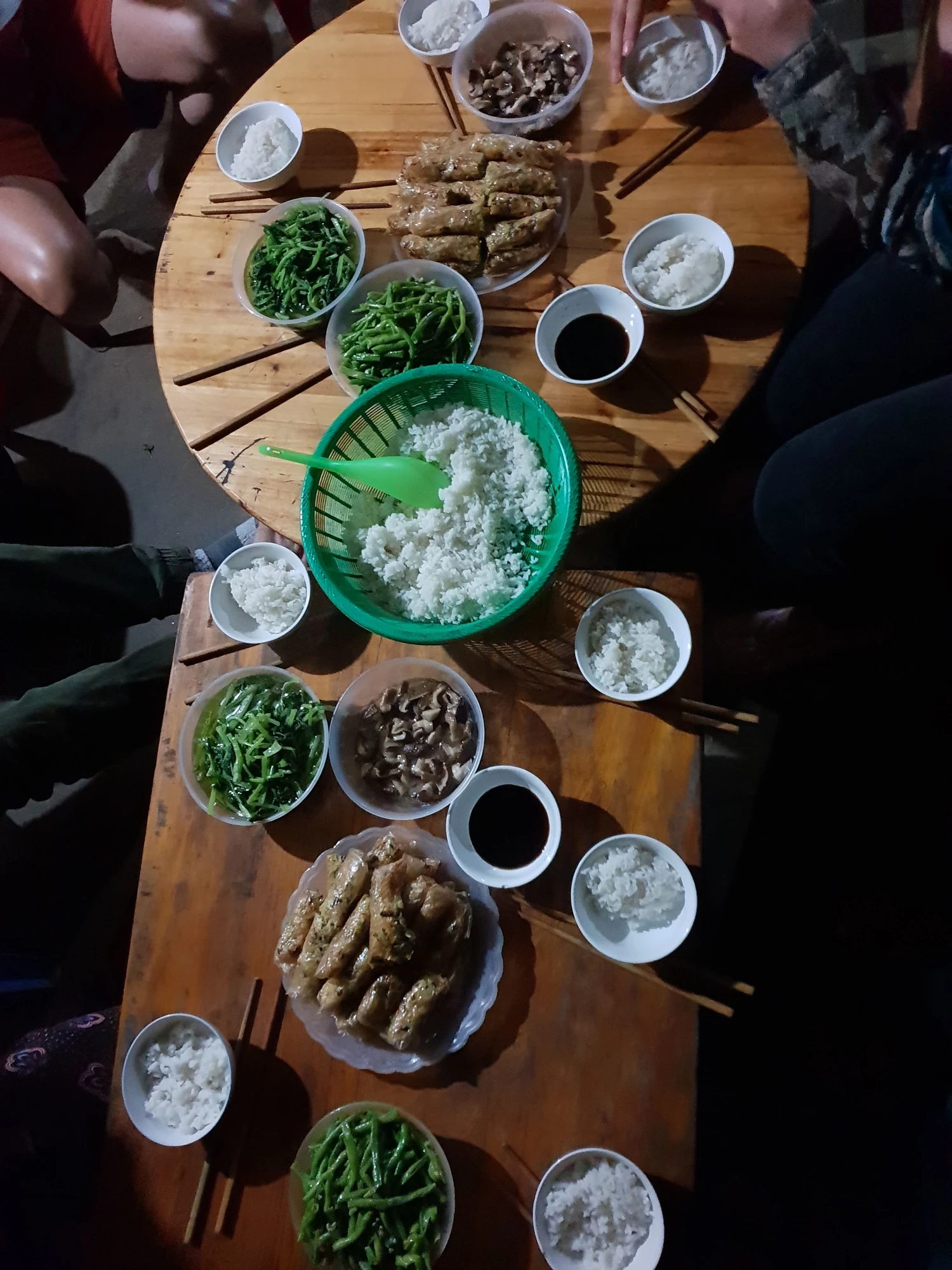
The kitchen is where many visitors feel closest to their hosts. Cooking sticky rice alongside the family, learning how a dish is seasoned, or simply watching how a meal comes together tells you more about a community than any museum label. In the evening, the whole household usually eats together, often with a toast of home-brewed rice wine. In some villages, dinner leads into traditional songs and dances, and in colder months an evening around a fire is a natural way for conversation to stretch late. Ask your host in advance what they typically offer, since evening activities vary from family to family.
What to Expect: An Honest Look at Homestay Comfort
Authenticity comes with simplicity, so it helps to arrive with the right expectations. In many stilt houses, guests sleep on mattresses laid on a bamboo floor in one large shared room, often with mosquito nets. Bathrooms are usually separate from the main house, and they typically offer hot water, though facilities vary from village to village. Some homestays have private rooms and more comfortable setups, so tell your host or booking agent what you need.
Prices are modest. Rates change with the season and the level of comfort, so always confirm the price before you go.
If you are traveling between November and February, plan for the cold. Stilt houses can feel snug in winter, but traditional homestays generally have no central heating, so bring thermal layers and ask your host for extra blankets.
How to Be a Good Guest
The best homestay stays are built on small acts of respect. Take off your shoes before climbing the steps into a stilt house, and ask permission before photographing people, their homes or their ceremonies. Dress modestly, especially in villages where traditional values run strong. When your host offers rice wine, accept the gesture graciously even if you only take a sip.
Think carefully about giving. Handing out sweets or money to children, however well meant, can create expectations that families do not want. If you wish to contribute, buy handicrafts directly from the people who made them, eat the meals your hosts prepare, and ask what the community actually needs. Finally, be patient. Village life runs on its own rhythm, and the willingness to slow down is the biggest part of the experience.
Choosing a Responsible Homestay
Not every village tourism project is equal. Vietnamese experts themselves have warned that some villages risk overdevelopment and the loss of their identity. A responsible homestay is usually owned and run by a local family, with clear pricing and hosts who decide how much of their culture to share. Be cautious of anything that feels like a staged performance or a place where visitors outnumber residents. When in doubt, book through a local operator with strong community ties, and read recent reviews that mention the hosts by name.
Why It Is Worth It
Community-based tourism will not give you the thread count of a boutique hotel, but it gives you something harder to find: a real conversation across a dinner table, a meal you could not order anywhere else, and a clearer sense of how people live in the mountains of Northern Vietnam. Travel here with curiosity and respect, and you will leave with more than photographs.
FAQ
What is community-based tourism in Vietnam?
It is a model where travelers stay with local families or in locally run accommodations, join daily activities, and pay directly to the community, so tourism income supports residents and helps preserve local culture.
Where can I do a homestay in Northern Vietnam?
Popular choices include Mai Chau and Pu Luong, Nam Dam and Lo Lo Chai in Tuyen Quang (formerly Ha Giang), Quynh Son in Lang Son, and Thai Hai in Thai Nguyen.
Are village homestays comfortable?
They are simple but usually clean. Expect mattresses on a bamboo floor, shared or separate bathrooms, and home-cooked meals. More comfortable private rooms exist in some villages.
Is it appropriate to give gifts to local children?
Generally it is better to avoid handing out sweets or money. Buying local crafts and food directly from families is a more respectful way to give back.
Sources and current details
- Ha Giang → Cat Ba — current itinerary, inclusions and today's price
- Sapa → Cat Ba — current itinerary, inclusions and today's price
- special.nhandan.vn — fact-check source
- vietnamnews.vn — fact-check source
- baovanhoa.vn — fact-check source
- tuoitre.vn — fact-check source
- nhandan.vn — fact-check source
- baodautu.vn — fact-check source
- baovanhoa.vn — fact-check source
Editorial check: 13 November 2026. This guide explains planning choices; the live product page and your written confirmation are what count for availability, current prices and booking conditions.




Comments
No comments yet — ask a question or share a tip below.