
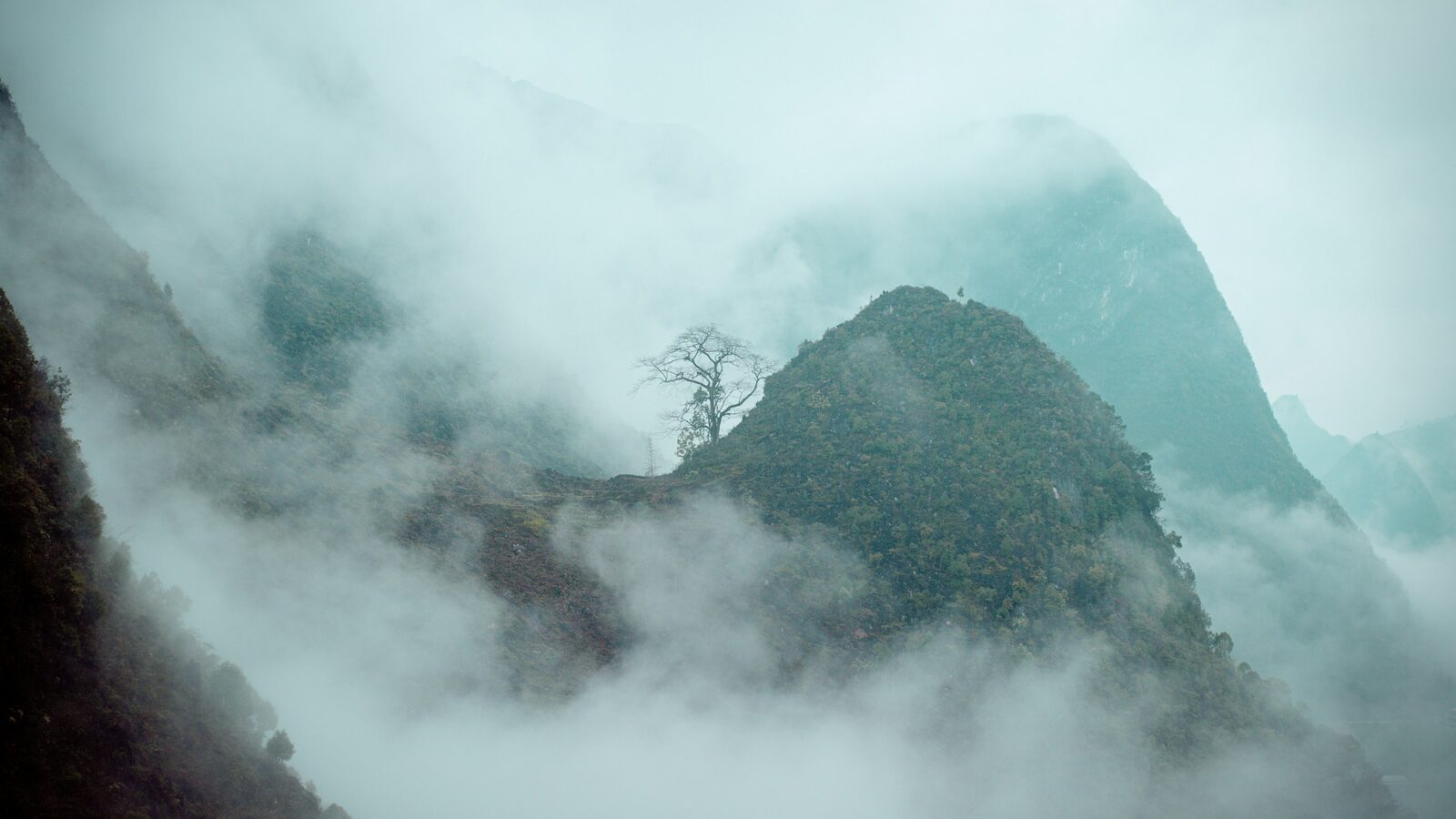
The Ha Giang Loop is best planned over three or four days, not treated as a fast transfer with viewpoints. The classic route links Quan Ba, Yen Minh, Dong Van, Ma Pi Leng and Meo Vac across the UNESCO-listed karst plateau. Choose a licensed driver or private car if you lack mountain-road experience, and schedule recovery time afterward.
What makes Ha Giang different
The Dong Van Karst Plateau UNESCO Global Geopark contains limestone landscapes with a geological history spanning more than 550 million years. UNESCO highlights Heaven’s Gate, Ma Pi Leng Pass, the Nho Que River, Dong Van’s historic fabric and seasonal buckwheat flowers.
This is also a living cultural landscape. Seventeen ethnic groups live within the geopark. Travel respectfully: ask before photographing people, buy directly from community businesses when appropriate, and avoid treating villages as sets for social media.
Three days or four?
Three-day loop
Suitable when your wider Vietnam itinerary is tight. Expect long riding days and fewer spontaneous stops. A typical structure is Ha Giang–Dong Van, Dong Van–Meo Vac, then return to Ha Giang.
Four-day loop
Better for most first-time visitors. It reduces the daily riding load, creates time for walks and markets, and gives some weather flexibility. Community discussions repeatedly warn that northern itineraries look shorter on a map than they feel on the road.
Ride yourself, use an easy rider or take a car?
Self-riding is for experienced riders who hold the licence and international documentation valid under Vietnamese law and whose insurance covers the vehicle class. Mountain bends, fog, rain, trucks and roadworks make this a poor place to learn.
An “easy rider” means travelling as a passenger behind a local driver. A private car is the more comfortable option for travellers who dislike motorbikes, carry substantial luggage or want protection from cold rain. The scenery is still the reason to go; the vehicle is a safety and comfort choice.
When to visit
Vietnam Tourism describes September to November as cooler and favourable, with buckwheat-flower interest in November. April to June is generally warm, while July and August can bring heat and monsoon rain. UNESCO notes October–November buckwheat flowers and January–February peach and plum blossom.
Seasonal patterns do not predict visibility on a specific pass. Fog can erase a viewpoint; rain can slow the route. Build the trip around the landscape as a whole, not one guaranteed photograph.
Linking Ha Giang with Cat Ba
Cat Ba Outdoors lists Ha Giang–Cat Ba and Cat Ba–Ha Giang overnight connections as request-only, each around 12 hours. The site currently shows 850,000 VND per person for a cabin sleeper, but availability and the exact operating pattern must be confirmed.
Avoid finishing the loop, boarding an overnight bus and joining an expensive cruise immediately on arrival. Fatigue, mountain delays and sea crossings stack risk. A private-room night on Cat Ba before cruising is often the better-value decision because it protects the cruise day.
FAQ
Is three days enough for the Ha Giang Loop?
Yes, but it is a compressed version with long road days. Four days is more comfortable and leaves more room for weather, walks and cultural stops.
Can a beginner ride the Ha Giang Loop?
The loop is not a sensible place to learn motorbike riding. Travellers without the correct licence, insurance and mountain-road experience should use an easy rider or private car.
Can I go directly from Ha Giang to Cat Ba?
Long overnight connections may operate, but Cat Ba Outdoors treats them as request-only. Confirm the exact departure and add recovery time before a cruise.
Plan it with us
Ask for a connection plan that protects your first Cat Ba activity rather than simply finding the shortest advertised transfer.
Sources
- UNESCO — Dong Van Karst Plateau Global Geopark
- Vietnam Tourism — Ha Giang
- Cat Ba Outdoors — Ha Giang to Cat Ba
- Community demand source: Reddit r/solotravel — itinerary pacing discussion

Comments
No comments yet — ask a question or share a tip below.