
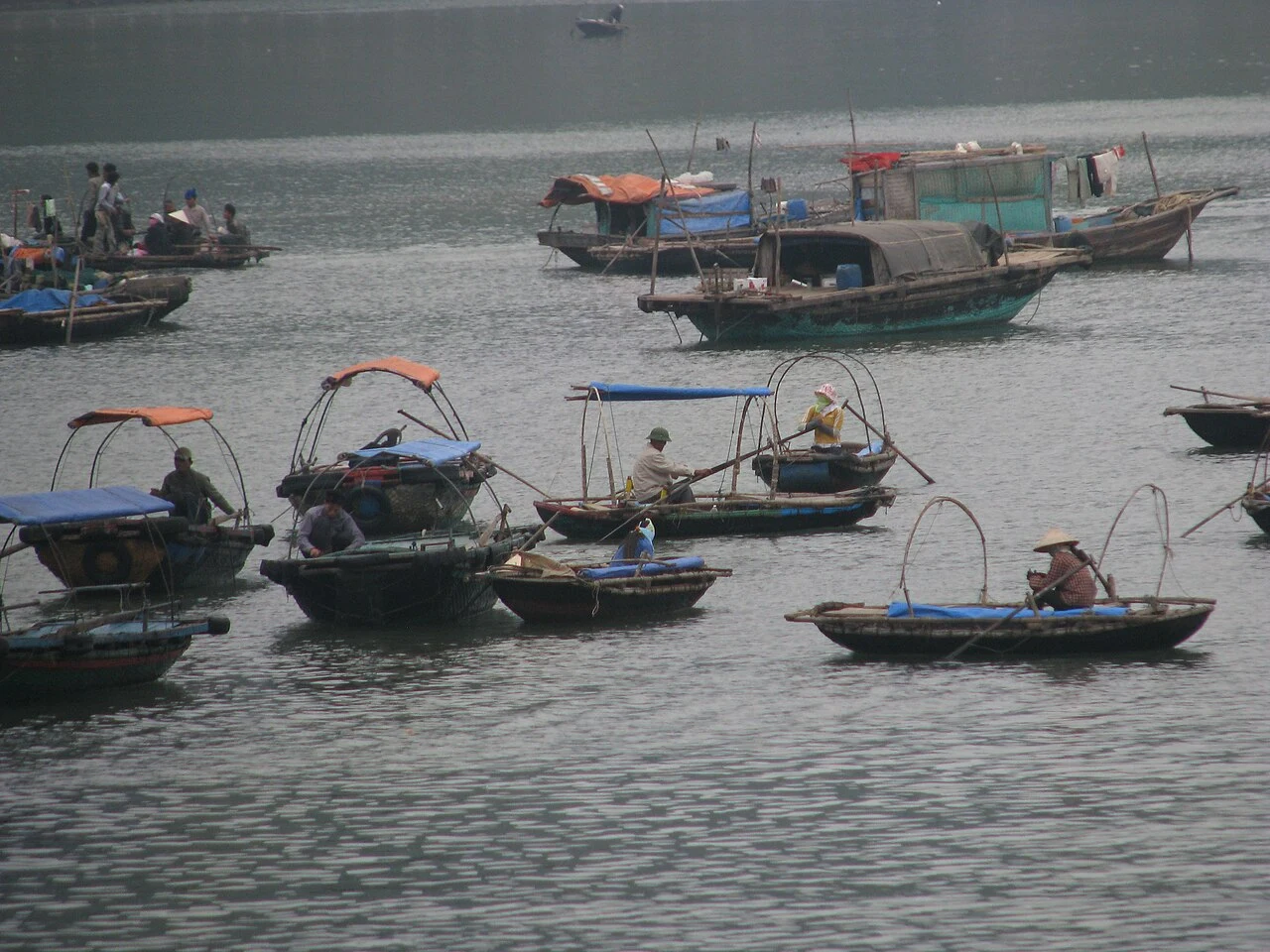
Twenty years ago, travelling to Cat Ba felt like entering a different rhythm. The journey depended heavily on ferries and boats, accommodation was relatively modest, and the island’s fishing identity was visible throughout daily life. Visitors came for Cat Ba National Park, uncrowded beaches and simple boat trips among the limestone islands of Lan Ha Bay.
Cat Ba has not lost those natural foundations, but the destination surrounding them has changed dramatically.
From fishing island to major tourism destination
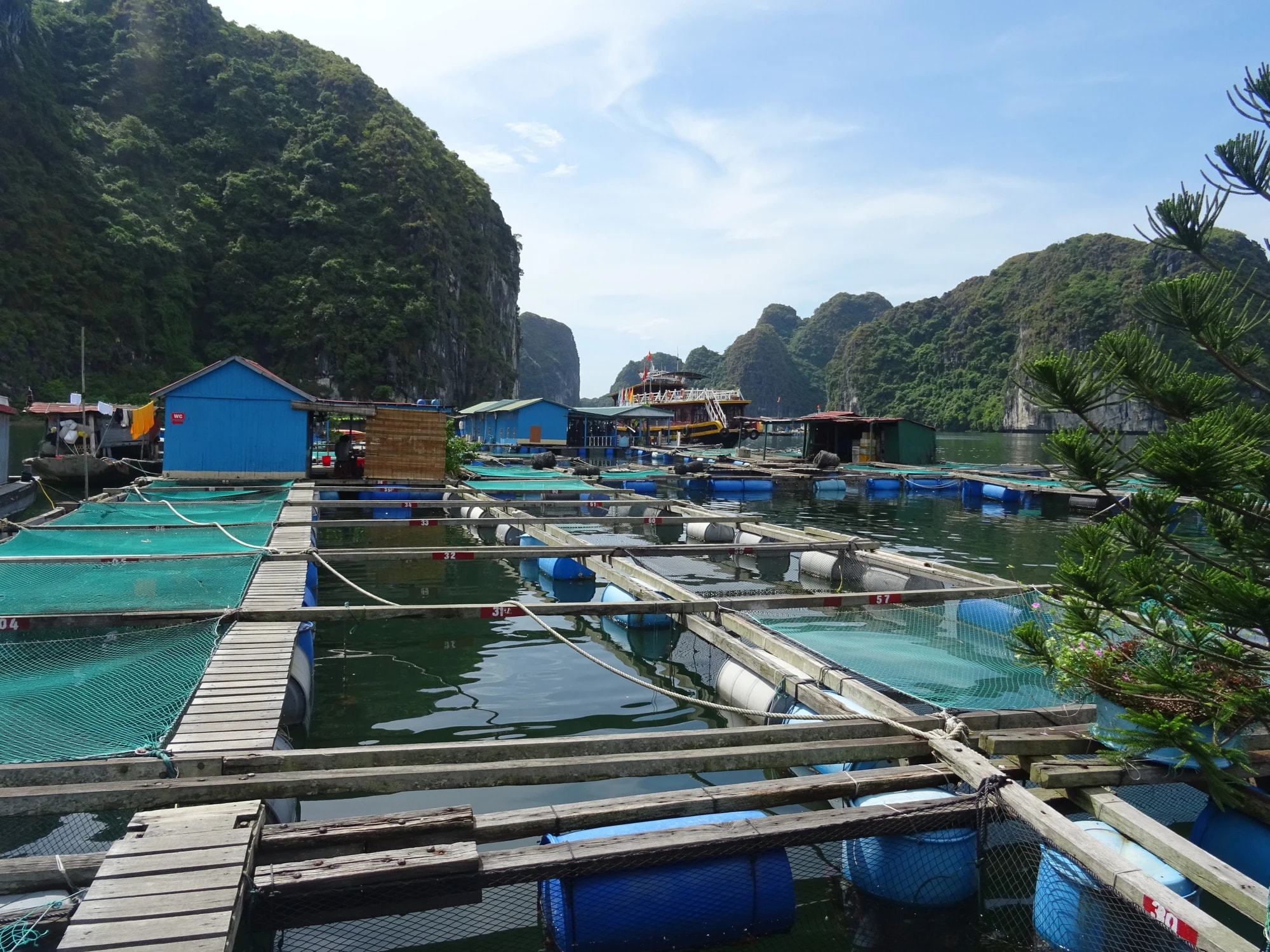
Fishing, aquaculture and maritime traditions remain important to Cat Ba. Around Cai Beo, Ben Beo Harbour and smaller communities outside Cat Ba Town, visitors can still see fishing boats, floating farms and families whose livelihoods are tied to the sea.
Tourism, however, became the island’s dominant economic force. In 2015, tourism and services accounted for more than 70% of Cat Hai District’s economic structure, while Cat Ba welcomed more than 1.5 million visitors, according to the Vietnam National Authority of Tourism.
What was once known mainly as a backpacker stop now attracts families, domestic tour groups, international travellers, cruise guests and outdoor-adventure enthusiasts.
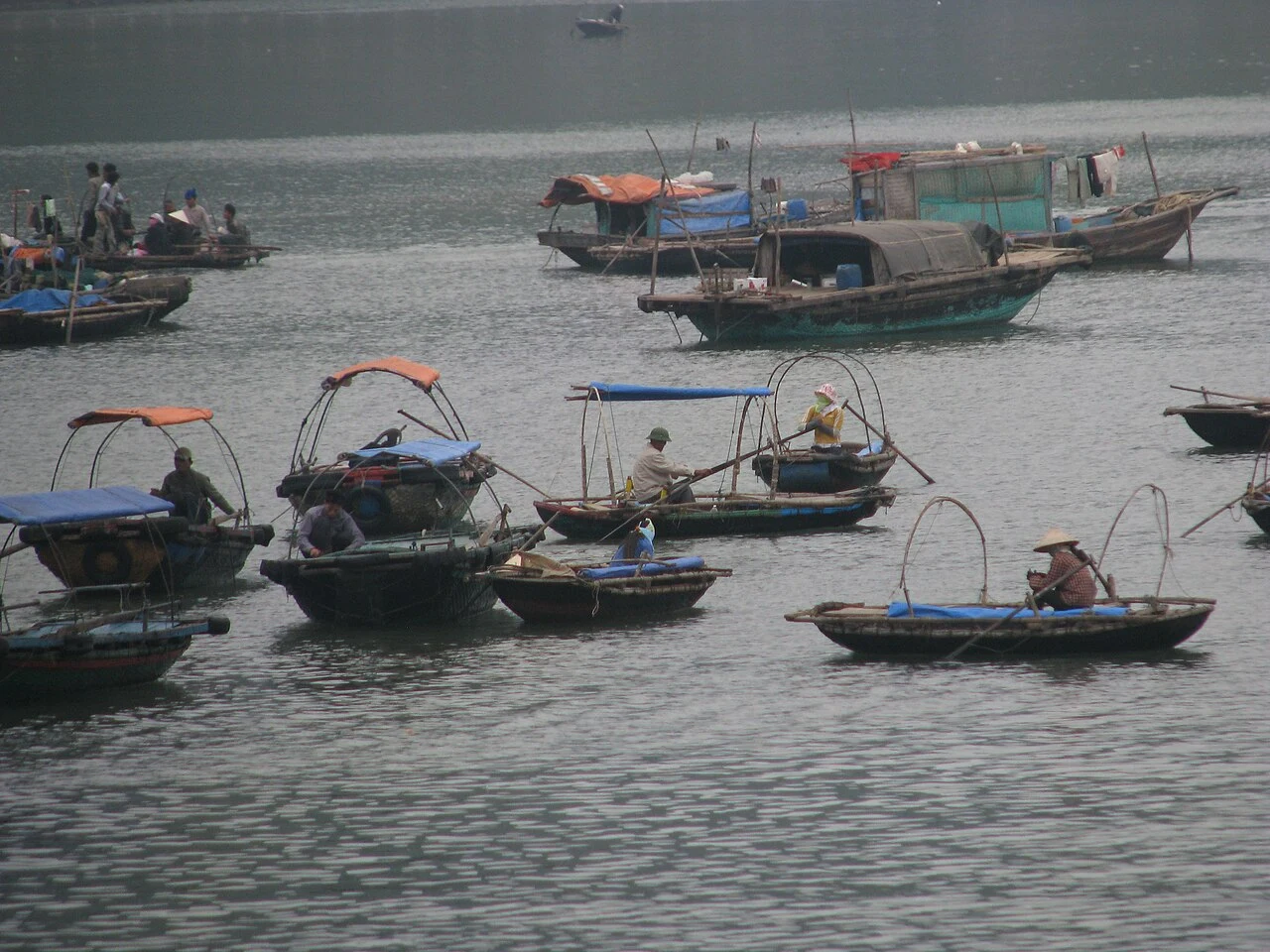
Cat Ba harbour in 2008. Photo: McKay Savage · CC BY 2.0 (resized from the original).
The journey became much easier
Access is one of the clearest changes. In the past, travellers had fewer transport options and often spent considerable time waiting for ferries.
The Tan Vu–Lach Huyen road and sea bridge opened in 2017, connecting Hai Phong’s road network with Cat Hai. It reduced ferry dependence for that part of the journey; it did not create a road bridge directly to Cat Ba Island.
The Cat Hai–Phu Long cable-car service opened in June 2020. Travellers have since been able to combine expressways, buses, ferries, speedboats and, when operating, cable-car services. The island feels closer to Hanoi and Hai Phong, although congestion and seasonal waits have not disappeared. Check current cable-car and ferry operations before relying on a particular connection.
Cat Ba Town became more developed
Small guesthouses and family-run restaurants still exist, but they now share the town with larger hotels, organised transfers, cruise offices, cafés and more polished tourism businesses.
Online booking changed the experience too. Travellers can compare cabins, buses and Lan Ha Bay itineraries before reaching the island. Services once arranged informally at a guesthouse desk can now be reserved in advance.
Convenience brought more choice, but also more commercial development. Construction and changing waterfront spaces have altered parts of the town. Return visitors may recognise the mountains and harbour while finding the built landscape surprisingly different.
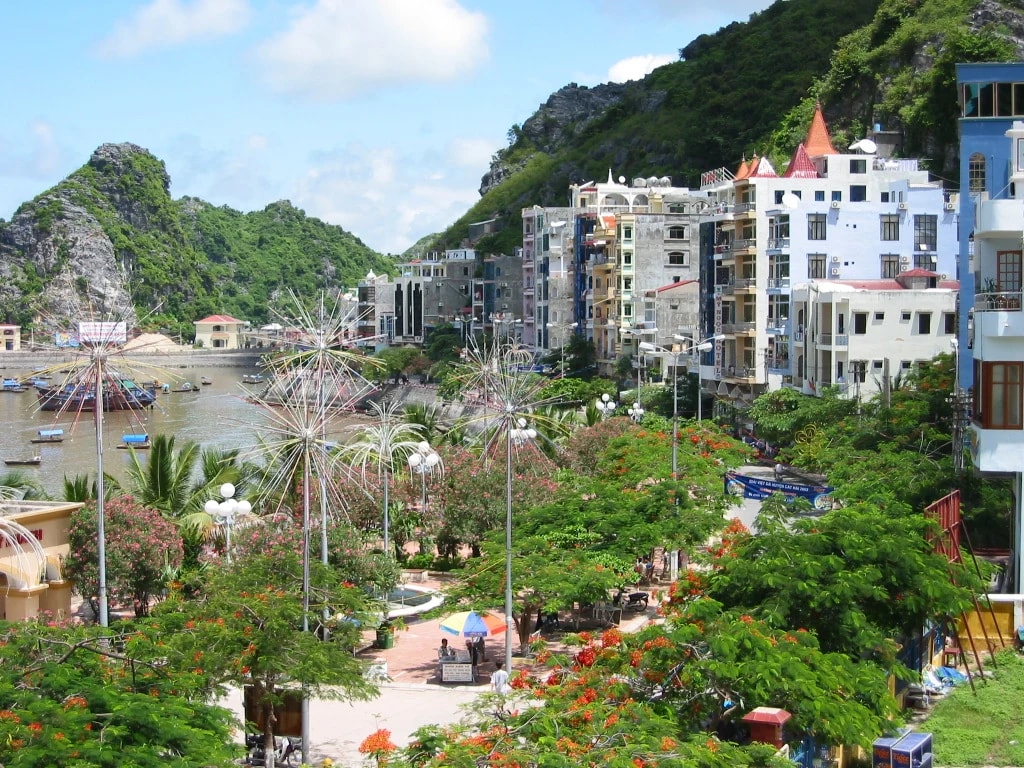
Cat Ba Town in 2003. Photo: Binh Giang · Public domain.
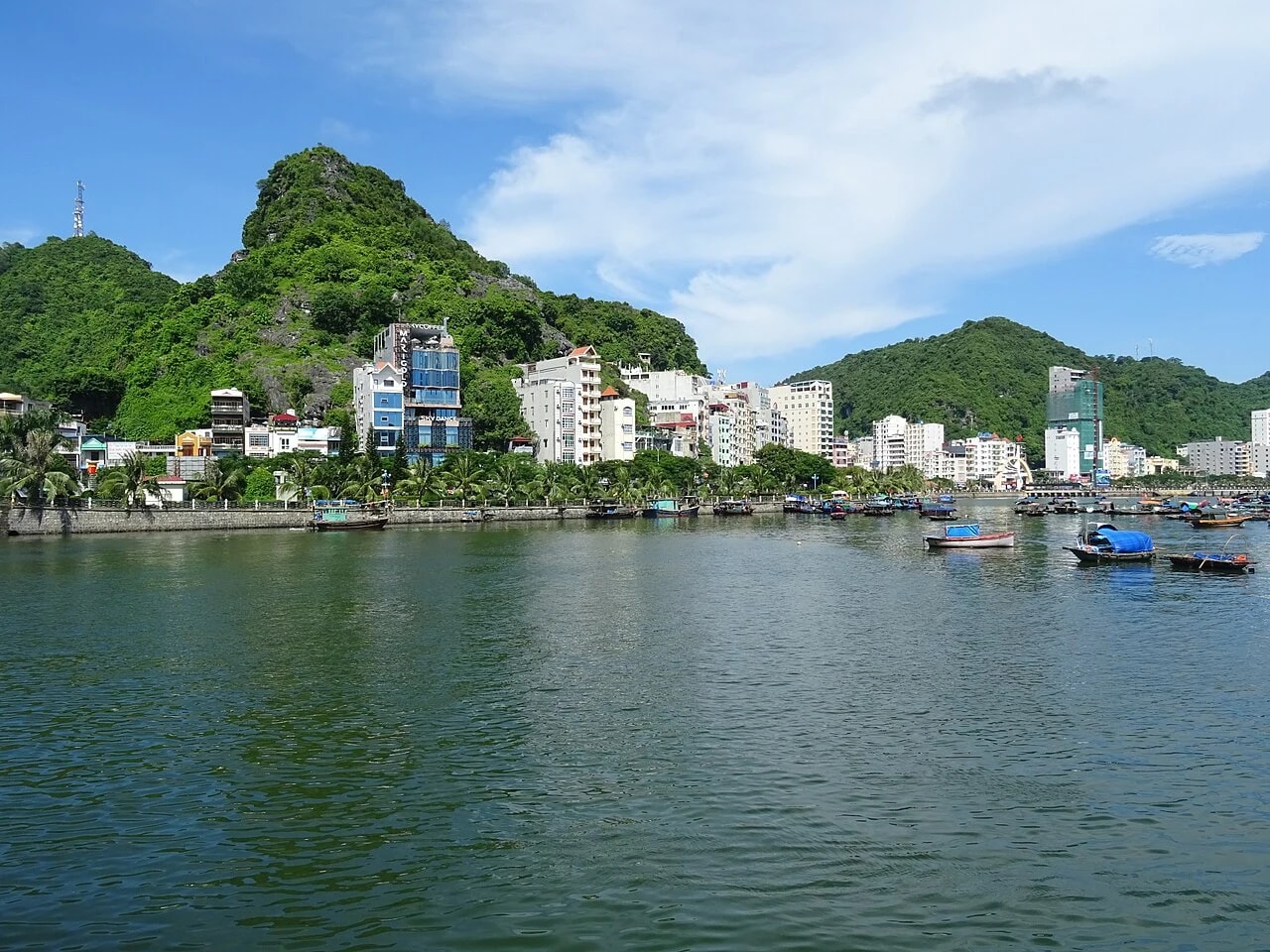
Cat Ba Town in 2018. Photo: Christophe95 · CC BY-SA 4.0 (resized from the original).
These dated images show Cat Ba Town from different viewpoints. They are not a same-angle before-and-after comparison.
Lan Ha Bay moved into the international spotlight
Lan Ha Bay was once introduced mainly as the quieter neighbour of Ha Long Bay. It now has a stronger identity of its own, with day cruises, overnight boats, kayaking trips and private charters for different budgets and travel styles.
That growth creates work for boat crews and guides and opens the bay to more travellers. It also increases the need to manage pressure on caves, lagoons, beaches, water quality and wildlife. The challenge is not simply attracting visitors, but protecting the experience they came for.
International recognition brought new responsibility
Cat Ba Archipelago became a UNESCO Biosphere Reserve in 2004. In 2023, it joined the expanded Ha Long Bay–Cat Ba Archipelago World Heritage property.
UNESCO describes the property as covering 65,650 hectares and containing 1,133 islands and islets. Its value lies in marine-invaded limestone formations, scenery, biodiversity and endemic species—not just postcard views.
Recognition raised Cat Ba’s international profile and expectations for conservation. UNESCO’s World Heritage Committee has called for coordinated management and notes that a carrying-capacity study for the archipelago is in development.
Visitor numbers illustrate the transformation
Cat Ba welcomed more than 1.5 million visitors in 2015. The Hai Phong city portal reported 3.675 million visitors in 2024, including more than one million who visited or stayed overnight on the archipelago’s bays.
This is not a smooth year-by-year trend—the pandemic interrupted tourism—but it shows the scale Cat Ba has reached. More visitors support hotels, restaurants, boat crews, guides, drivers and suppliers. Seasonal peaks can also mean crowded ferries, higher room rates and pressure on public services.
Environmental pressures became harder to ignore
Growth brings questions about freshwater, wastewater, rubbish, marine plastic and construction. These concerns become more urgent as visitor numbers and development expand.
Travellers can contribute by:
Refilling water bottles instead of repeatedly buying plastic ones
Choosing smaller groups and responsible tour operators
Avoiding litter on beaches and boats
Respecting restricted areas and wildlife
Staying on marked trails in Cat Ba National Park
Supporting locally owned restaurants, guides and accommodation
Refusing activities that disturb animals or damage caves and coral
What has remained unchanged?
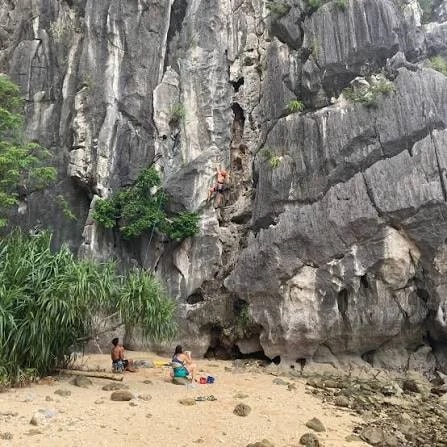
Cat Ba’s skyline is more developed and its tourism industry more organised, but its geography remains extraordinary. Limestone towers still rise from the water. Fishing boats still cross Ben Beo Harbour. Forest trails still lead through Cat Ba National Park, and kayaks still enter lagoons that larger vessels cannot reach.
The most important change is not that Cat Ba became a different island. Many more people can now reach it, experience it and influence its future. Its next chapter depends on whether tourism and infrastructure can grow without overwhelming the fishing culture, communities and ecosystems that made the island worth visiting.
Plan your Cat Ba visit
For current services, browse the Cat Ba Outdoors tours, places to stay and transport options. Check the named service for its actual itinerary and inclusions.
Editorial source
Adapted for Cat Ba Outdoors from How Has Cat Ba Changed Over the Past 10–20 Years?. Photographs retain their original credits and licences where stated; archival and illustrative images are identified in their captions.

.jpg)


Comments
No comments yet — ask a question or share a tip below.